Dakshineswar Mandir
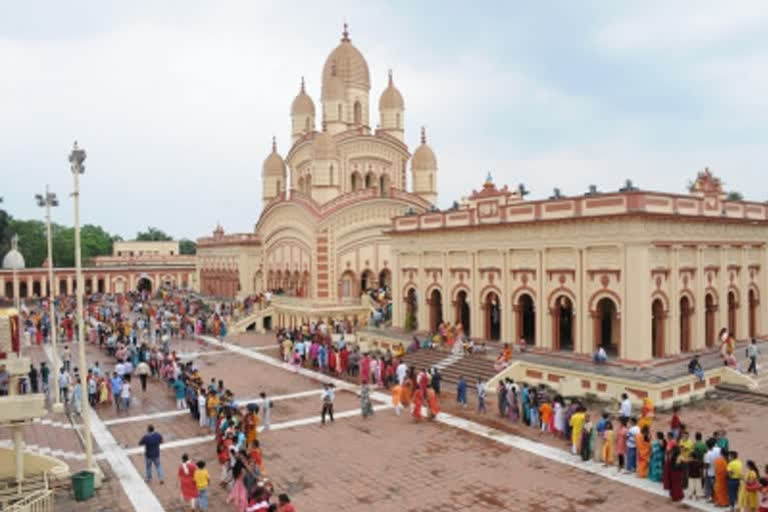

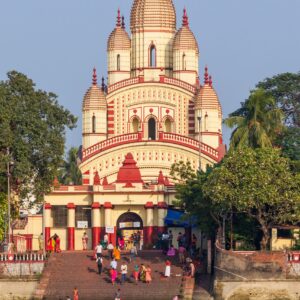
Dakshineswar Kali Temple, Kolkata
Dakshineswar Kali Temple is one of India’s most revered Hindu temples, dedicated to Goddess Kali as Maa Bhabatarini. The temple stands majestically on the eastern banks of the Hooghly River in Dakshineswar, Kolkata, West Bengal. Renowned for its spiritual, historical, and architectural grandeur, Dakshineswar has inspired countless devotees, thinkers, and spiritual seekers across the world.
History & Foundation
The temple was commissioned by Rani Rashmoni, a prominent philanthropist and devout devotee, following a divine vision she received before embarking on a pilgrimage to Varanasi. Instructed by Kali to build a temple on the riverbank, she purchased about 20 acres of land and completed the temple in 1855. The consecration ceremony was held with much splendor on May 31, 1855, drawing over one lakh Brahmins from all over India.
Sri Ramakrishna Paramahamsa—the legendary Hindu mystic—served as a priest here, attaining spiritual enlightenment and beginning his public ministry at the temple. His wife, Sarada Devi, also spent time in spiritual practice at Dakshineswar. Their association transformed the temple into a nucleus for the Vedanta and Bhakti movements, influencing leaders like Swami Vivekananda and inspiring the worldwide Ramakrishna Mission.
Architectural Features
- The temple is a classic example of Navaratna (nine-spired) Bengali architecture, with three stories and nine ornate domes.
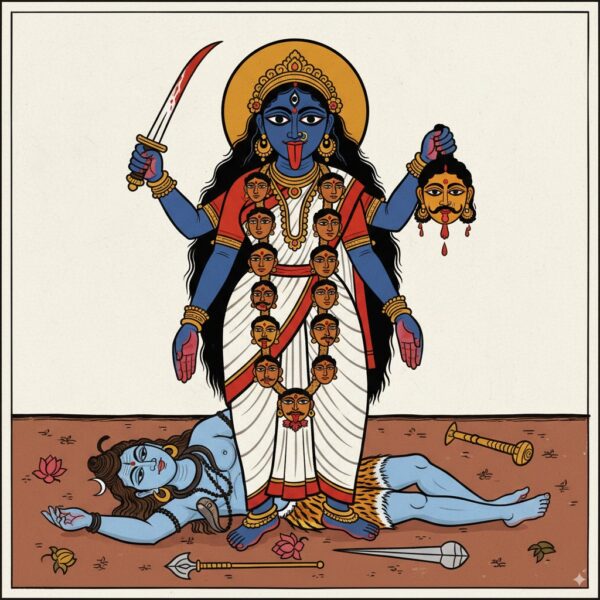
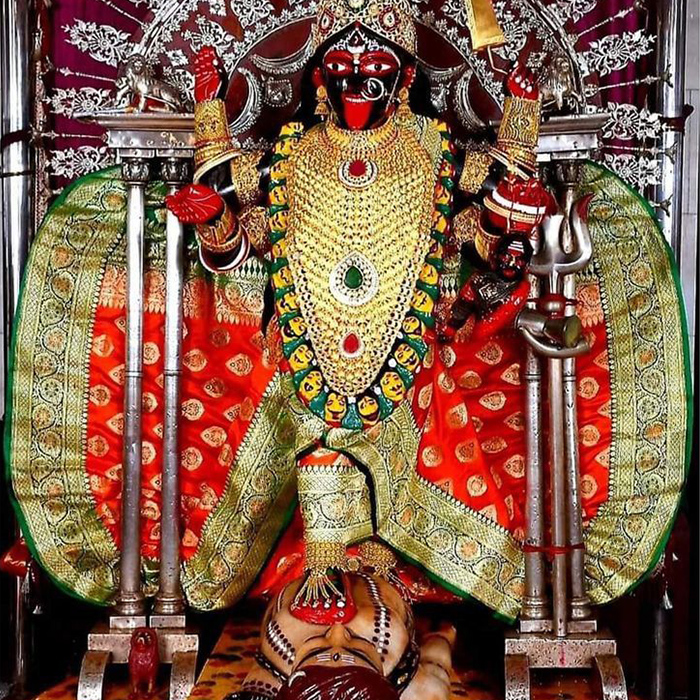
- It houses a striking black stone idol of Maa Kali standing atop the supine figure of Lord Shiva, symbolizing the duality of creation and destruction.
- The complex features 12 Shiva temples in a row, devoted to various forms of Shiva, enhancing the spiritual ambiance.
- At the northern corner lies the Radha-Krishna temple, reflecting the Vaishnavite tradition interwoven with Bengal’s spiritual tapestry.
- A bathing ghat on the river allows ritualistic ablutions before prayer, while lush gardens and pathways offer serenity to visitors.
Rituals & Traditions
- Mangala Aarti (dawn), Bhog offering (midday), and Sandhya Aarti (evening) form the core daily rituals.
- Offerings include flowers, sweets, and hibiscus to the goddess. Devotees receive prasad and participate in community feasts (bhog), fostering collective devotion.
- The temple hosts special pujas and festivals on Amavasya (new moon), Kali Puja, Durga Puja, and other auspicious days.
- Rituals for Lord Shiva and Radha-Krishna are celebrated, making Dakshineswar a unique confluence of Shaivite and Vaishnavite traditions.
Spiritual Significance
Dakshineswar emerged as a spiritual center due to Sri Ramakrishna Paramahamsa, who meditated here for decades and experienced divine ecstasy, becoming a world-renowned spiritual teacher. The temple became instrumental in spreading the teachings of Vedanta and Bhakti, inspiring movements of faith and tolerance. Today, devotees visit seeking spiritual guidance, blessings, and inner peace.
The temple’s tranquil riverfront setting and lush grounds make it ideal for meditation, reflection, and worship.
Visitor Information
- Address: May Dibas Pally, Dakshineswar, Kolkata, West Bengal 700035, India
- Entry Fee: None
- Temple Timings: 6:00 AM–12:30 PM and 3:30 PM–7:30 PM daily; timings may vary on festival days.
- Best Days for Puja: Tuesdays and Saturdays, Kali Puja & Amavasya
- How to Reach: Well-connected via road, auto-rickshaw, buses. Nearby attractions include Belur Math just 3 km away.
Fascinating Facts
- Almost every spiritual trip to Kolkata is considered incomplete without visiting Dakshineswar Kali Temple.
- The temple was inaugurated just two years before the Sepoy Mutiny of 1857, adding to its historical significance.
- The temple complex is renowned for its blend of intricate terracotta work and striking spires.
- Thousands of pilgrims participate in annual festivals, and global devotees visit to experience its spiritual energy.
Dakshineswar Kali Temple remains a beacon of faith, devotion, cultural harmony, and spiritual awakening—a must-visit for seekers and travelers alike.