Kalighat Kali Temple

Kalighat Kali Temple, Kolkata
Kalighat Kali Temple, located in the vibrant neighborhood of Kalighat on the banks of the Adi Ganga in Kolkata, West Bengal, is one of India’s most revered pilgrimage destinations. Dedicated to Goddess Kali, it is considered one of the holiest of the 51 Shakti Peeths and draws hundreds of thousands of devotees and seekers every year.
History & Mythological Significance
The history of Kalighat Temple stretches back over centuries, with its present structure established in 1809. The temple is believed to be the spot where the right toe of Goddess Sati fell, making it a major Shaktipeeth and a center of profound spiritual energy.
Mythology recounts that the temple’s origins are closely linked to Chouranga Giri, a saint who discovered an impression of Kali’s face and began worship in a humble hut. Later, Padmabati Devi—mother of Laksmikanta Roy Choudhury—had a divine vision and unearthed Sati’s toe, giving rise to the temple’s sanctity.
Kalighat is also associated with the legendary mystic Sri Ramakrishna Paramahamsa, who once served as its priest, attaining spiritual ecstasy and enlightening countless devotees.
Temple Architecture & Complex
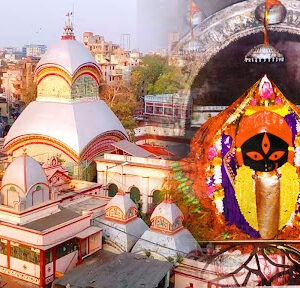
- The temple showcases classic Bengali architecture with a large, ornamented dome and open courtyard.
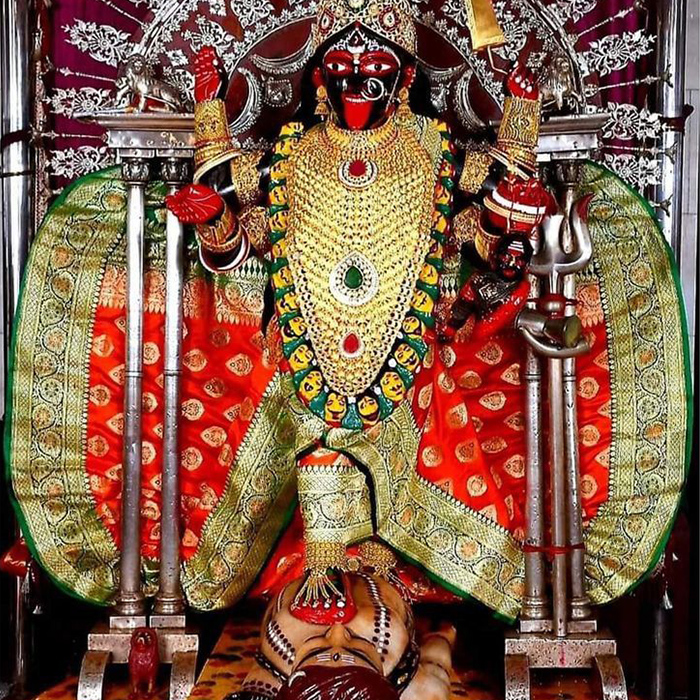
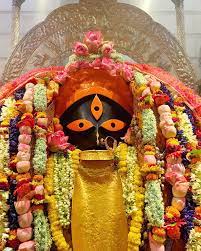
- The sanctum sanctorum houses a unique idol of Maa Kali, made from black stone, adorned with gold and silver, a protruding silver tongue, and three eyes. The goddess is depicted standing on Shiva.
- Numerous smaller shrines dot the temple complex, dedicated to Lord Shiva, Radha-Krishna, and other deities. The Kundupukur (sacred tank) and the Shoshti-tola tree shrine are notable spiritual highlights.
- The Shyamoroy Mandir or Vaishnava shrine within the temple complex honors Radha-Krishna and hosts annual swing festivals.
Rituals, Offerings & Traditions
- Key daily rituals include Mangala Aarti (early morning), Bhog Aarti (midday), and Sandhya Aarti (evening).
- Offerings include red hibiscus flowers, sweets, coconuts, incense, and the ritual goat sacrifice (performed since ancient times, although “vegetarian” alternatives like coconuts are also common).
- Devotees light lamps and incense, and receive tilak (sacred red mark) as a part of their worship.
- The temple’s harikhat-tola area is reserved for sacrificial and special offerings, featuring ornate posts and ritual implements.
- Festivals, especially Kali Puja and Amavasya, draw immense crowds and are celebrated with elaborate ceremonies and all-night vigils.
Spiritual Importance
As a preeminent Shaktipeeth, Kalighat is believed to grant blessings, liberation, and protection to devotees seeking the goddess’s grace. The temple serves as a major center for Tantric worship, and its unique energy is cherished by spiritual seekers.
The rituals, ambience, bustling crowds, and ancient traditions together make Kalighat a living symbol of Bengal’s spiritual legacy.
Visitor Information
- Address: Anami Sangha, Kalighat, Kolkata, West Bengal 700026, India
- Entry Fee: None (Donations and offerings accepted at various points)
- Temple Timings: Daily, 5:00 AM–2:00 PM & 5:00 PM–10:30 PM (hours may be extended on festival days)
- Best Season to Visit: October–March (pleasant weather), and during Kali Puja, Durga Puja, or Amavasya
- Access: Easily reached via metro (Kalighat Metro Station), buses, and autos. Local markets offer spiritual items and prasad.
Interesting Facts
- Kalighat Temple is said to have inspired the name "Kolkata" itself—linking the city’s identity with the goddess Kali.
- The temple’s rituals and traditions bridge Shaivite, Vaishnavite, and Shakta cultures, symbolized by the multiple shrines in its complex.
- The goddess’s silver tongue is interpreted as a symbol of Kali’s consuming power over evil.
- During Snan Yatra, priests close the temple, blindfold themselves, and perform special cleansing rituals—maintaining secrecy and sanctity.
Kalighat Kali Temple epitomizes faith, courage, and the transformative force of the goddess. Its living traditions, rich stories, and the blessings of Maa Kali make it a must-visit for devotees and travelers from across the globe.