Shiv Puran
Shiv Puran: Seven Samhitas, Twelve Jyotirlingas & Eternal Grace of Mahadev
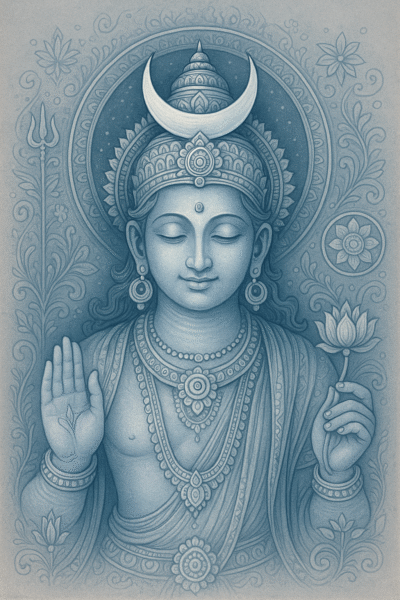
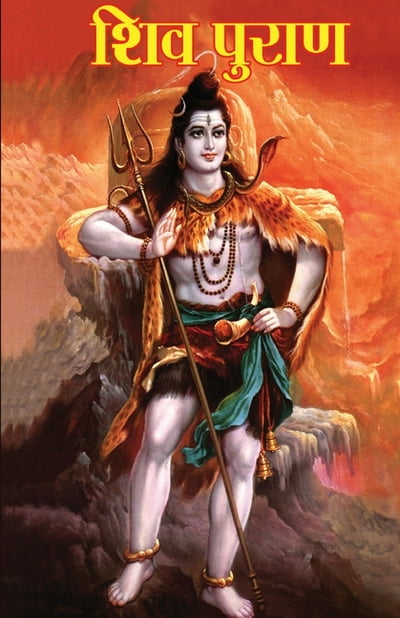
Shiv Puran is one of the eighteen great Mahapuranas of Sanatana Dharma, wholly dedicated to Bhagavan Mahadev (Lord Shiva)—Adi Yogi, Ashutosh (easily pleased), and the compassionate Lord of Dissolution and Renewal. Revered across generations in Bengali households, this sacred scripture illuminates Shaiva Siddhanta, temple worship, and profound inner stillness.
Overview & The Seven Sacred Samhitas
Narrated originally by Suta Goswami to the sages gathered in Naimisharanya, the Shiv Puran unfolds in seven majestic Samhitas (collections), traditionally counting around twenty-four thousand verses:
- Vidyesvara Samhita: Explains the nature of Shiva Linga worship, glory of Om Namah Shivaya, sacred Bhasma (vibhuti), and the supreme significance of Rudraksha.
- Rudra Samhita: Divided into five vibrant sections—Srishti, Sati, Parvati, Kumara, and Yuddha Khandas—recounting cosmic creation, Sati’s sacrifice, Parvati’s tapasya, Shiva’s divine marriage, and the births of Ganesha and Kartikeya.
- Shatarudra Samhita: Celebrates Lord Shiva’s hundred benevolent and protective manifestations, including Ardhanarishvara, Dakshinamurti, Kalabhairava, and Hanuman’s Rudra aspect.
- Kotirudra Samhita: Chronicles the origin and spiritual glories of all twelve Jyotirlingas across Bharat alongside Shiva Sahasranama and Pradosha Vrata.
- Uma Samhita: Teaches karma, compassion, yogic insight, and the grace of Devi Uma alongside Mahadev.
- Kailasa Samhita: Presents advanced Shaiva Vedanta meditation, sannyasa ethics, and Pranava-vidya (contemplation of Om).
- Vayaviya Samhita: Concludes with Pashupata philosophy, cosmic unity of Shiva-Shakti, and devotion transcending ritual form.
Glory of the Twelve Jyotirlingas
A crown jewel of the Shiv Puran is its radiant narration of the twelve Jyotirlingas (pillars of infinite light): Somnath, Mallikarjuna, Mahakaleshwar, Omkareshwar, Kedarnath, Bhimashankar, Kashi Vishwanath, Trimbakeshwar, Vaidyanath, Nageshwar, Rameshwaram, and Grishneshwar. Each account reveals how Mahadev responds unconditionally to the tears of sincere devotees regardless of birth or station.
Meaning of Rudraksha, Bhasma, Bilva & Panchakshara
The Shiv Puran demystifies the sacred emblems seen in every Shiva temple. Rudraksha beads symbolize Mahadev’s compassionate tears for humanity’s upliftment; Bhasma reminds us of impermanence and purity beyond ego; the three-leaved Bilva Patra represents surrender of body, speech, and mind (or Satva, Rajas, Tamas); and the five-syllable mantra “Namah Shivaya” distills all Vedic truth into five timeless syllables.
Timeless Narratives: Shiva-Parvati, Ganesha & Kartikeya
Written with warmth and emotional depth in our Bengali edition, the stories of Maa Parvati’s penance to win Shiva, Himavat’s joyful wedding feast on Mount Kailash, Sri Ganesha’s wisdom, and Kartikeya’s courage teach patience, family harmony, and unshakable love that transforms even ascetic stillness into household grace.
Spiritual Benefits of Shiv Puran Path
- Brings deep mental calm, patience, and relief from restless fear or anxiety.
- Illuminates the inner meaning of Maha Shivaratri, Shravana Somvar, and Pradosha Vrata.
- Teaches simplicity—showing that pure water and one Bilva leaf offered with love please Ashutosh Mahadev more than pomp.
- Unites devotion and non-dual wisdom effortlessly for readers of all ages.
Guidelines for Devotional Reading (Shravana & Shivaratri)
Devotees traditionally undertake daily chapters of the Bengali Shiv Puran during the holy month of Shravana, on Mondays (Somvar), Pradosha evenings, or during Maha Shivaratri night vigil. Sit calmly, chant “Om Namah Shivaya” eleven times, mentally offer a Bilva leaf at Lord Shiva’s feet, and read at an unhurried, meditative pace.