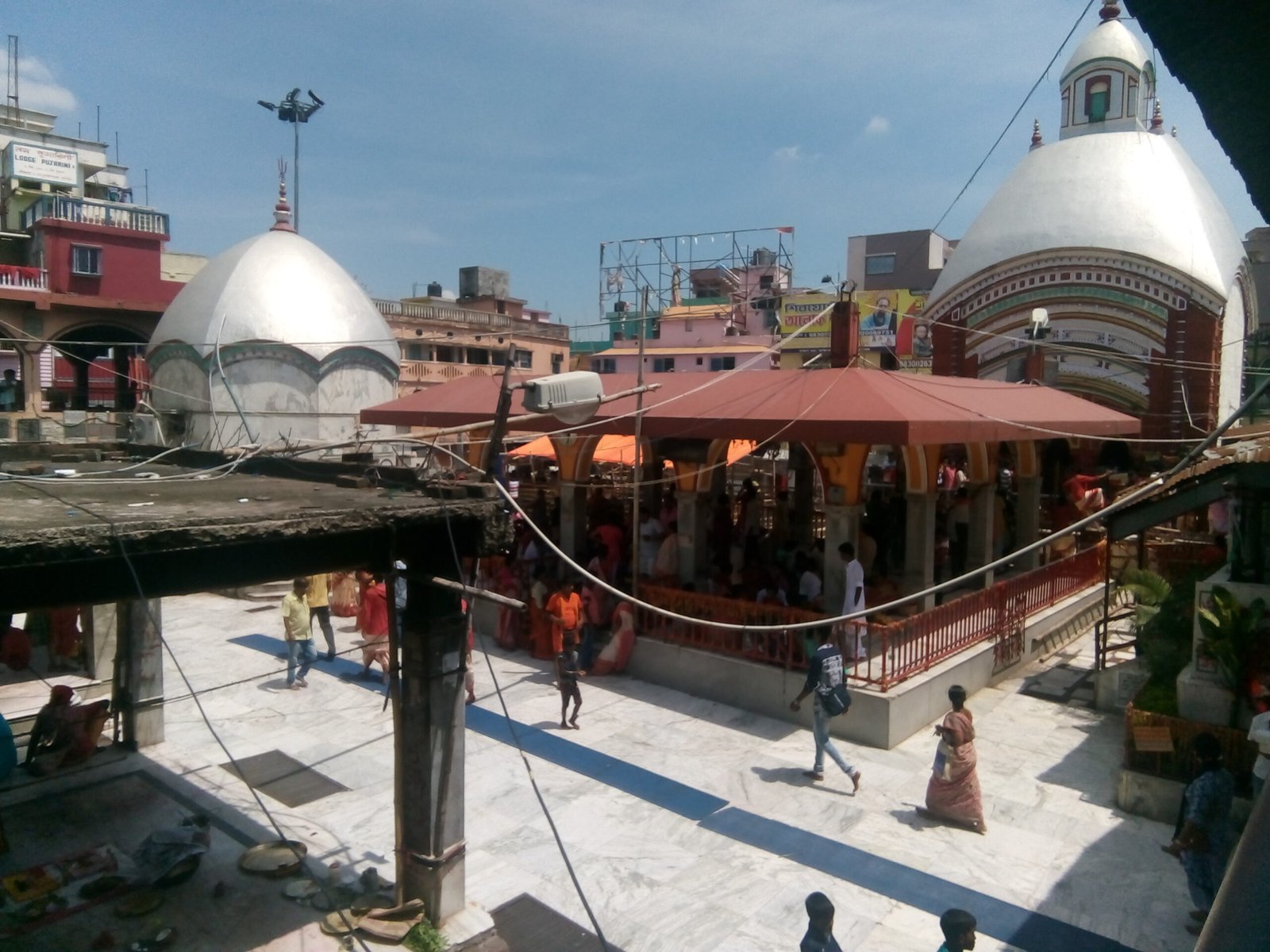
Tarapith Temple, Birbhum – The Supreme Siddha Peetha of Maa Tara in Bengal
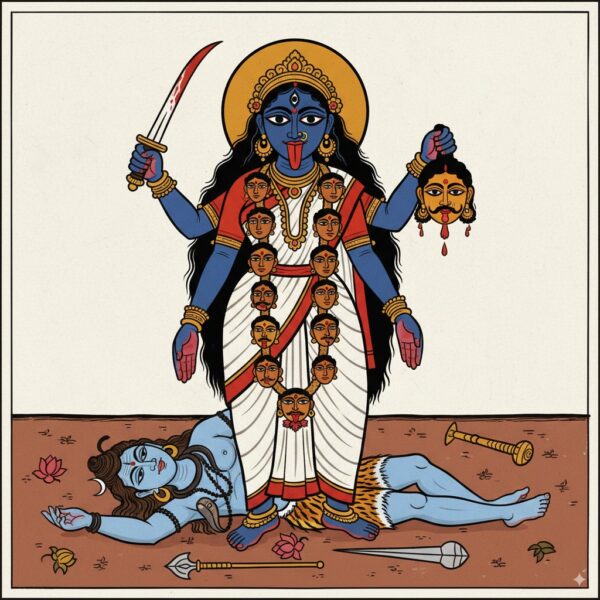
Tarapith Temple is one of the most revered Shakti Peethas and Tantric pilgrimage centers in India, located in the village of Tarapith (near Rampurhat) in Birbhum district, West Bengal. Dedicated to Goddess Tara, a fierce and supremely compassionate Mahavidya form of Divine Mother Kali, Tarapith is world-renowned for its spiritual magnetism, the sacred Maha Smashan (cremation grounds), and the divine life of the legendary mystic saint Sadhak Bama Khepa.
Introduction
Nestled along the banks of the sacred Dwarka river in the Birbhum district of West Bengal, Tarapith Mandir is universally venerated as a powerful Siddha Peetha—a spiritual realm where prayers and intense sadhanas yield immediate fruition. The presiding deity, Maa Tara, is worshipped as both the universal mother who suckles Lord Shiva and the fierce liberator who releases devotees from cosmic suffering, negative karmic afflictions, and worldly distress.
Religious & Tantric Significance
According to sacred Puranic traditions, Tarapith is recognized as one of the 51 Shakti Peethas. It is believed that the third eye (Nayantara) or the eyeball of Devi Sati fell here during the cosmic dance of Lord Shiva. Because the eyeball represents inner divine sight, wisdom, and liberation, Maa Tara at Tarapith grants clear spiritual vision, profound wisdom, and protection against negative astrological afflictions, untimely obstacles, and dark energies.
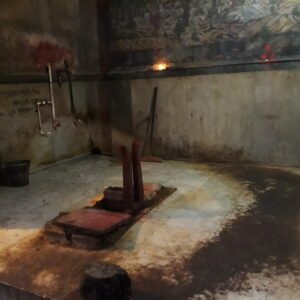
Unlike conventional temple shrines, Tarapith is closely intertwined with the adjacent Maha Smashan (great cremation ground), creating a sacred space where the impermanence of mortal life meets eternal cosmic consciousness. Devotees and seekers from across the globe visit Tarapith to perform special pujas, yagyas, and Havana rituals.
Legend of Maa Tara & Sage Vashistha
The ancient legend narrates that Maharishi Vashistha, the revered Vedic sage, undertook severe austerities to attain the direct darshan of Goddess Tara. Despite long years of meditation, he could not achieve his siddhi until a divine voice instructed him to practice Chinachara Tantra at Tarapith. Upon arriving in this sacred land, Sage Vashistha had the direct vision of Maa Tara in her Matri Rupa (motherly form), suckling Lord Shiva who had consumed the Halahala poison during the churning of the cosmic ocean (Samudra Manthan). Vashistha Muni attained supreme siddhi at this sacred spot, cementing Tarapith's reputation as a supreme Siddha Peetha.
The Sacred Maha Smashan & Sadhak Bama Khepa
Adjoining the temple is the revered Maha Smashan, shaded by ancient banyan and neem trees. Here, the holy mystic Bama Khepa ("the divine madcap saint", 1837–1911) lived, practiced intense Tantra sadhana, and attained enlightenment under the direct guidance of Maa Tara, whom he affectionately addressed as 'Maa'. To this day, his Samadhi temple near the cremation ground is visited by thousands of seekers who seek his divine intercession and blessings.
Temple Architecture
The main temple is an architectural masterpiece constructed in the traditional Bengali Char-Chala (four-sloped curved roof) style made of burnt red brick and terracotta embellishments. The facade features ornate bas-relief panels depicting mythological scenes from the epics, Durga Mahishasuramardini, and Tantric iconography. The inner sanctum sanctorum houses a stone image of Maa Tara suckling Shiva, covered by a silver deity murti with four arms, crowned in gold, and draped in red silk sarees and hibiscus garlands.
Daily Pujas & Sacred Rituals
- Nitya Puja & Mangal Aarti: The morning rituals begin before dawn with the divine bath (snana), adornment, and offerings of fresh flowers, incense, and sweets to Maa Tara.
- Bhog Offering: Special Anna Bhog, including traditional khichdi, payasam, and sacred offerings according to Shakta traditions, is presented daily to the Goddess.
- Sandhya Aarti: The evening aarti is a spiritually electrifying experience with resonating bells, conch shells, and dhak drums.
- Amavasya & Purnima Yagyas: Auspicious lunar phases—especially Amavasya (New Moon) and Purnima (Full Moon)—witness grand Tantric yagyas, Rog Nivaran Havans, and Dhan Lakshmi Prapti rituals performed for the well-being and prosperity of devotees.